eat
吃
consume food
Learn eat with free cards in 30 seconds.
10 minutes a day can add up to 3,000 words a year. Spaced flashcards bring each word back when it is time to remember it.
Learn this one early.

How many words can you learn in a year?
If you learn 8-10 new words a day and review them regularly with flashcards, you can cover about 3,000 words in a year.
ZapomniEnglish brings words back at the right time: difficult words appear more often, familiar words less often.
Not sure what pace to start with? Check your vocabulary level and we will suggest words for your level.
We count words you add to learning and review regularly. Active use grows gradually and depends on practice.
| Pace | Per day | Per year | Best for |
|---|---|---|---|
| Easy | 3 words | ≈ 1,100 words | starting without pressure |
| Balanced | 5 words | ≈ 1,800 words | steady growth |
| Recommended | 8 words | ≈ 2,900 words | around 3,000 words a year |
| Fast | 10 words | ≈ 3,650 words | visible vocabulary growth |
| Intensive | 15 words | ≈ 5,500 words | strong motivation |
eat 的翻译
eat 的例句
At the ceremony, guests eat traditional cakes and share stories.
На церемонии гости обычно едят традиционные пироги и делятся историями.
Children in the village eat together before the dance performance.
Дети в деревне едят вместе перед танцевальным выступлением.
Learn by topic
eat belongs to the topic "Top 500". Start with a short 7-word set so the word is easier to remember in context.
eat 的同义词
Related words worth learning together
I eat breakfast at 8 every morning.
Часто используется в выражениях для приёма пищи (have lunch/have dinner) — означает поесть.
We usually have dinner at seven.
Означает есть быстро и с жадностью; эмоционально насыщенное, подчёркивает скорость/аппетит.
He devoured the sandwich in minutes.
Употребляется в значении 'ужинать' или 'принимать пищу' в более формальной/стилизованной речи.
They dined at a Michelin-starred restaurant.
I usually snack on fruit in the afternoon.
She feeds the baby at noon.
Более формальное слово: употребляется о потреблении пищи или ресурсов; в разговорной речи реже заменяет 'есть'.
The hospital advised him to consume more calories.
Означает есть маленькими кусочками или осторожно откусывать; подчёркивает размер/манеру приёма пищи.
She nibbled at the cookie because she wasn't hungry.
Означает откусить кусок или действие зубов; часто обозначает часть процесса еды, а не весь приём пищи.
Take a bite and tell me if it's done.
Означает жевать — механическое пережёвывание пищи перед проглатыванием; часть процесса еды.
Chew each bite slowly.
Говорит о быстром и шумном поедании; разговорное, часто с негативным оттенком (жадно есть).
He gobbled his lunch because he was late.
Означает есть много на праздничном или торжественном событии; подчёркивает обилие и празднование.
They feasted on roast and puddings during the holiday.
What’s the difference
How is eat different from related words?
Short comparisons help you choose the right word by meaning, context, and typical examples.
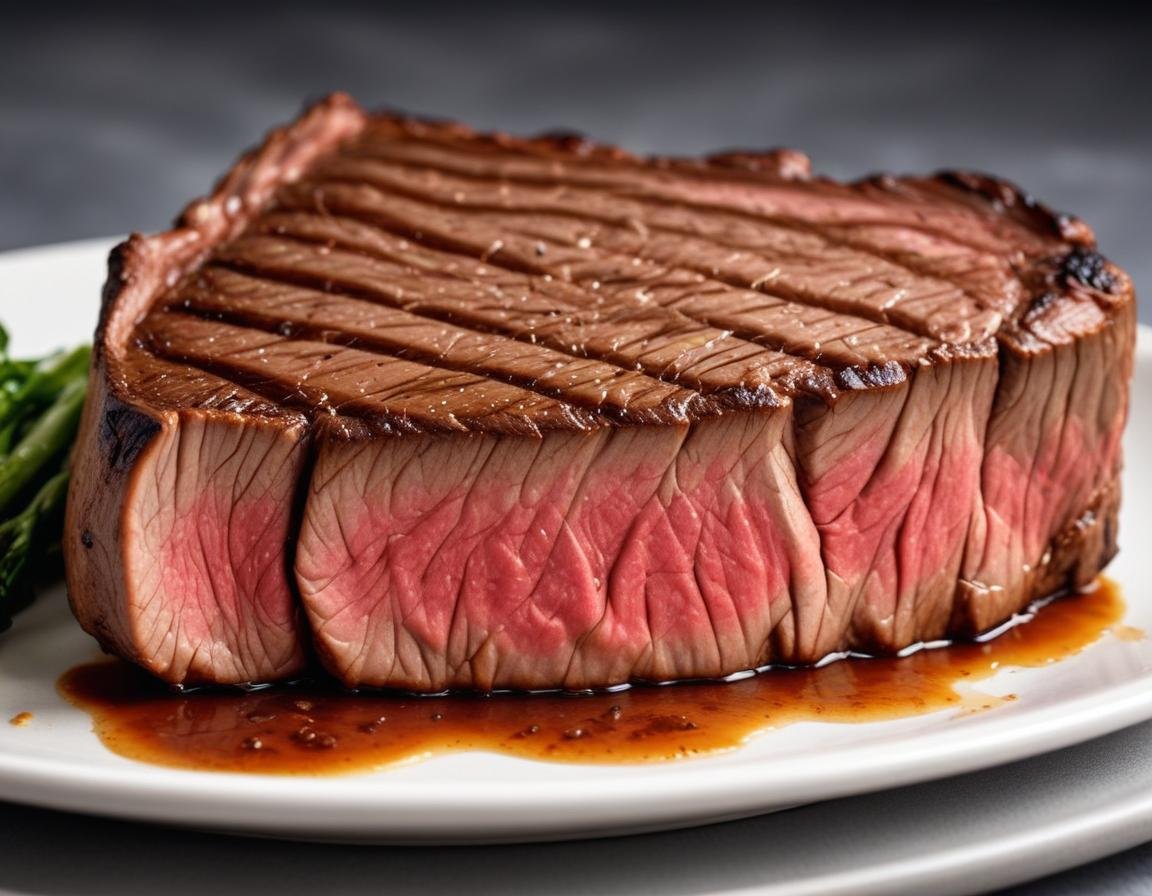
В чем разница в английском между tough, chewy, leathery и stringy
Разница между tough, chewy, leathery и stringy: как описать жёсткое, упругое, пересушенное или волокнистое мясо и другую еду.

В чем разница в английском между carry, wear, tote и lug
Carry — нести или иметь при себе, wear — носить на теле, tote — таскать с собой, lug — тащить тяжёлое с усилием.
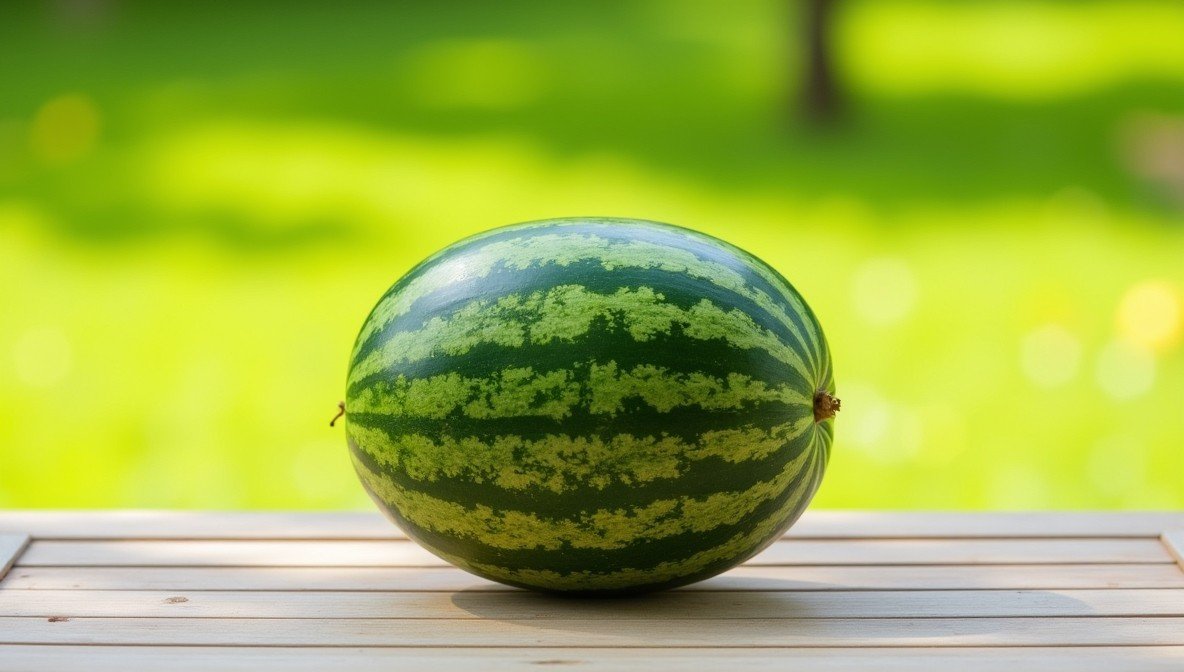
В чем разница в английском между whole, entire, complete и intact
Разница между whole, entire, complete и intact: целое, весь объем, завершенность и сохранность без повреждений.
eat 的相关词和词表











Questions about this word
eat 是什么意思?
consume food
eat 怎么发音?
eat 的发音标注是 /ˈiːt/。
eat 怎么造句?
At the ceremony, guests eat traditional cakes and share stories. 翻译:На церемонии гости обычно едят традиционные пироги и делятся историями.