饿的
hungrig
feeling the need to eat
Learn 饿的 with free cards in 30 seconds.
10 minutes a day can add up to 3,000 words a year. Spaced flashcards bring each word back when it is time to remember it.
建议优先学习。



How many words can you learn in a year?
If you learn 8-10 new words a day and review them regularly with flashcards, you can cover about 3,000 words in a year.
ZapomniEnglish brings words back at the right time: difficult words appear more often, familiar words less often.
Not sure what pace to start with? Check your vocabulary level and we will suggest words for your level.
We count words you add to learning and review regularly. Active use grows gradually and depends on practice.
| Pace | Per day | Per year | Best for |
|---|---|---|---|
| Easy | 3 words | ≈ 1,100 words | starting without pressure |
| Balanced | 5 words | ≈ 1,800 words | steady growth |
| Recommended | 8 words | ≈ 2,900 words | around 3,000 words a year |
| Fast | 10 words | ≈ 3,650 words | visible vocabulary growth |
| Intensive | 15 words | ≈ 5,500 words | strong motivation |
饿的 mit russischer Uebersetzung
Beispiele mit 饿的
Beispielsaetze erscheinen hier mit Uebersetzung und Kontext.
Learn by topic
饿的 belongs to the topic "Top 5000". Start with a short 7-word set so the word is easier to remember in context.
Synonyme fuer 饿的
Related words worth learning together
I’m hungry after work.
Краткая форма прилагательного: значит то же, что «голодный», но часто звучит проще и более книжно в конструкции.
I’m hungry and want to eat.
Очень голодный, часто долго не ел; может означать состояние нехватки еды.
A starving child needs help.
Слегка или уже заметно захотевший есть, обычно после паузы без еды.
We got hungry after the walk.
Очень сильно голодный; обычно после долгого отсутствия еды. Может быть и переносным.
The famished traveler asked for food.
What’s the difference
How is 饿的 different from related words?
Short comparisons help you choose the right word by meaning, context, and typical examples.

В чем разница в английском между carry, wear, tote и lug
Carry — нести или иметь при себе, wear — носить на теле, tote — таскать с собой, lug — тащить тяжёлое с усилием.
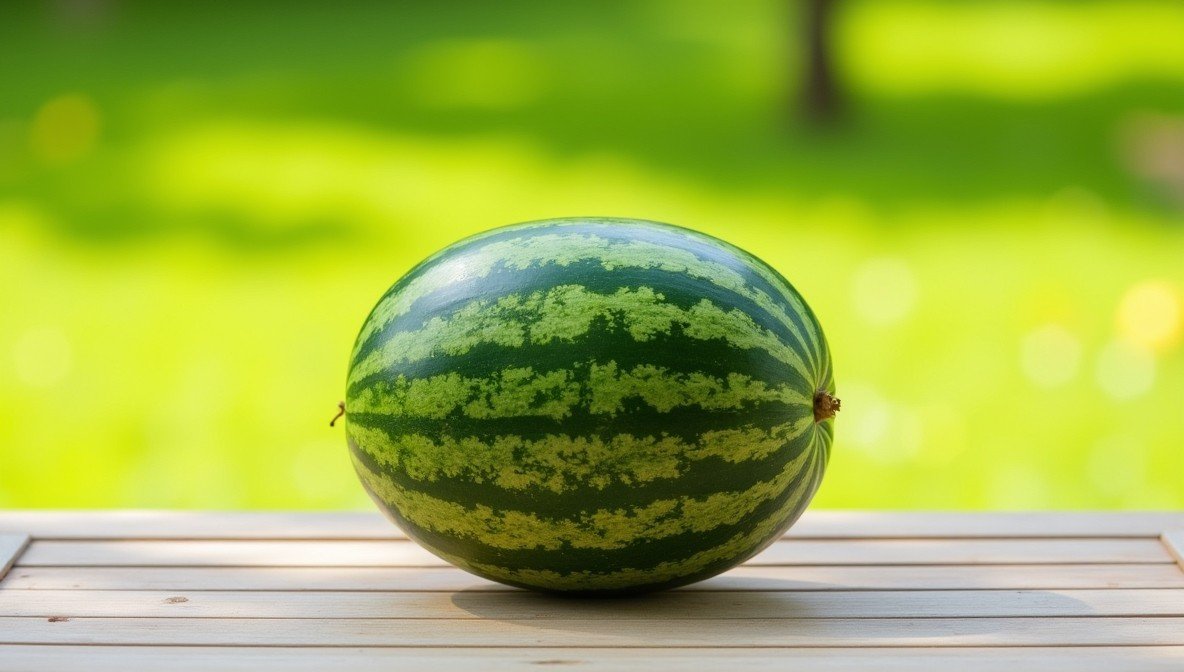
В чем разница в английском между whole, entire, complete и intact
Разница между whole, entire, complete и intact: целое, весь объем, завершенность и сохранность без повреждений.

В чем разница в английском между choose, pick, select и opt for
Разница между choose, pick, select и opt for: обычный выбор, разговорный выбор, выбор из списка и осознанное предпочтение.
Aehnliche Woerter und Listen fuer 饿的









关于这个词的问题
Was bedeutet 饿的?
feeling the need to eat
Wie spricht man 饿的 aus?
Der Audiobutton zeigt die Aussprache von 饿的, wenn eine Aufnahme vorhanden ist.
饿的 in deinem Wortschatz lernen
Fuege das Wort zum Ueben hinzu und wiederhole es mit Audio, Beispielen und eigenen Listen.