死的
tot
no longer living
Learn 死的 with free cards in 30 seconds.
10 minutes a day can add up to 3,000 words a year. Spaced flashcards bring each word back when it is time to remember it.
建议优先学习。


How many words can you learn in a year?
If you learn 8-10 new words a day and review them regularly with flashcards, you can cover about 3,000 words in a year.
ZapomniEnglish brings words back at the right time: difficult words appear more often, familiar words less often.
Not sure what pace to start with? Check your vocabulary level and we will suggest words for your level.
We count words you add to learning and review regularly. Active use grows gradually and depends on practice.
| Pace | Per day | Per year | Best for |
|---|---|---|---|
| Easy | 3 words | ≈ 1,100 words | starting without pressure |
| Balanced | 5 words | ≈ 1,800 words | steady growth |
| Recommended | 8 words | ≈ 2,900 words | around 3,000 words a year |
| Fast | 10 words | ≈ 3,650 words | visible vocabulary growth |
| Intensive | 15 words | ≈ 5,500 words | strong motivation |
死的 mit russischer Uebersetzung
Beispiele mit 死的
Beispielsaetze erscheinen hier mit Uebersetzung und Kontext.
Learn by topic
死的 belongs to the topic "Garden and plants". Start with a short 7-word set so the word is easier to remember in context.
Synonyme fuer 死的
Related words worth learning together
This person is dead.
о человеке или животном, умершем в результате несчастного случая, катастрофы, войны
The person who died in the accident was young.
высохший и нежизненный (о растениях, цветах, плодах)
The dried-up flower lay in the vase.
потерявший свежесть и упругость; увядание в процессе (не всегда окончательная гибель)
The wilted flowers need to be thrown away.
без признаков жизни; часто используется в переносном значении (о месте, лице, атмосфере)
The room looked lifeless.
высохший, уменьшившийся в размере (о ветках, плодах) — часто результат потери влаги и жизнеспособности
The shriveled branches had to be cut off.
полностью высохший (о реке, почве, источнике) — может обозначать утрату жизни в экосистеме
The river dried up during the hot summer.
находящийся в процессе увядания; ещё не полностью мёртвый
The wilting bouquet should be placed in water.
потерявший свежесть, потемневший и сухой (о листьях, траве)
The withered leaves rustled underfoot.
What’s the difference
How is 死的 different from related words?
Short comparisons help you choose the right word by meaning, context, and typical examples.

В чем разница в английском между carry, wear, tote и lug
Carry — нести или иметь при себе, wear — носить на теле, tote — таскать с собой, lug — тащить тяжёлое с усилием.
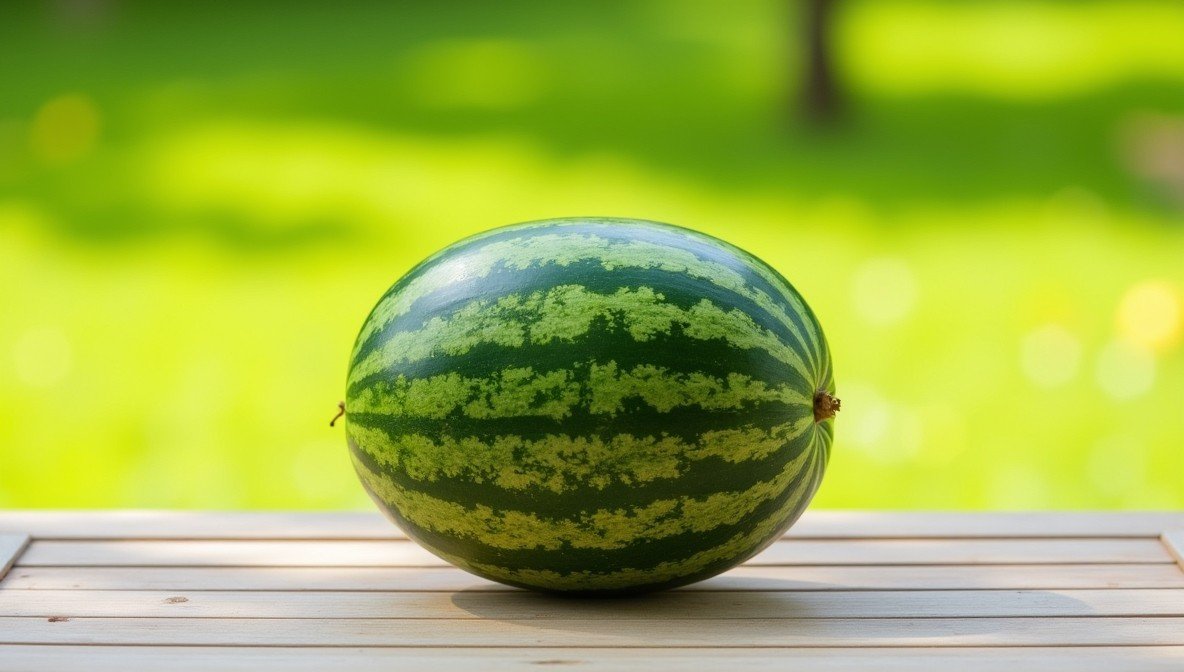
В чем разница в английском между whole, entire, complete и intact
Разница между whole, entire, complete и intact: целое, весь объем, завершенность и сохранность без повреждений.

В чем разница в английском между choose, pick, select и opt for
Разница между choose, pick, select и opt for: обычный выбор, разговорный выбор, выбор из списка и осознанное предпочтение.
Aehnliche Woerter und Listen fuer 死的











关于这个词的问题
Was bedeutet 死的?
no longer living
Wie spricht man 死的 aus?
Der Audiobutton zeigt die Aussprache von 死的, wenn eine Aufnahme vorhanden ist.
Gehoert 死的 zum Thema Garden and plants?
Ja, 死的 (мёртвый) kann im Thema Garden and plants gelernt werden. Diese Verbindung hilft bei Wortlisten und verwandten Woertern.
Gehoert 死的 zum Thema Home and Household?
Ja, 死的 (мёртвый) kann im Thema Home and Household gelernt werden. Diese Verbindung hilft bei Wortlisten und verwandten Woertern.
死的 in deinem Wortschatz lernen
Fuege das Wort zum Ueben hinzu und wiederhole es mit Audio, Beispielen und eigenen Listen.