wolfen
сделать фарш
to crush into very small pieces or powder
Learn wolfen with free cards in 30 seconds.
10 minutes a day can add up to 3,000 words a year. Spaced flashcards bring each word back when it is time to remember it.
Dieses Wort lohnt sich frueh.



How many words can you learn in a year?
If you learn 8-10 new words a day and review them regularly with flashcards, you can cover about 3,000 words in a year.
ZapomniEnglish brings words back at the right time: difficult words appear more often, familiar words less often.
Not sure what pace to start with? Check your vocabulary level and we will suggest words for your level.
We count words you add to learning and review regularly. Active use grows gradually and depends on practice.
| Pace | Per day | Per year | Best for |
|---|---|---|---|
| Easy | 3 words | ≈ 1,100 words | starting without pressure |
| Balanced | 5 words | ≈ 1,800 words | steady growth |
| Recommended | 8 words | ≈ 2,900 words | around 3,000 words a year |
| Fast | 10 words | ≈ 3,650 words | visible vocabulary growth |
| Intensive | 15 words | ≈ 5,500 words | strong motivation |
wolfen with Russian translation
wolfen usage examples
Usage examples will appear here with translation and context.
Learn by topic
wolfen belongs to the topic "Cooking Verbs". Start with a short 7-word set so the word is easier to remember in context.
wolfen synonyms
Related words worth learning together
Стандартный термин: помол до мелких частиц или порошка; обычно о кофе, муке, специях.
Ich mahle jeden Morgen frischen Kaffee.
Более интенсивный вариант: размельчить до очень мелких частиц или порошка, с оттенком усилия или тщательности.
Die Muskatnuss muss man fein zermahlen.
Означает грубый, крупный помол (обычно зерна для крупы или кормов), не до состояния муки.
Wir schroten das Getreide für das Bauernbrot.
Общий, широкий термин: означает измельчение на более мелкие куски, не обязательно до порошка.
Für die Soße muss das Gemüse zerkleinert werden.
What’s the difference
How is wolfen different from related words?
Short comparisons help you choose the right word by meaning, context, and typical examples.

В чем разница в английском между carry, wear, tote и lug
Carry — нести или иметь при себе, wear — носить на теле, tote — таскать с собой, lug — тащить тяжёлое с усилием.

В чем разница в английском между whole, entire, complete и intact
Разница между whole, entire, complete и intact: целое, весь объем, завершенность и сохранность без повреждений.

В чем разница в английском между choose, pick, select и opt for
Разница между choose, pick, select и opt for: обычный выбор, разговорный выбор, выбор из списка и осознанное предпочтение.
Related words and lists for wolfen




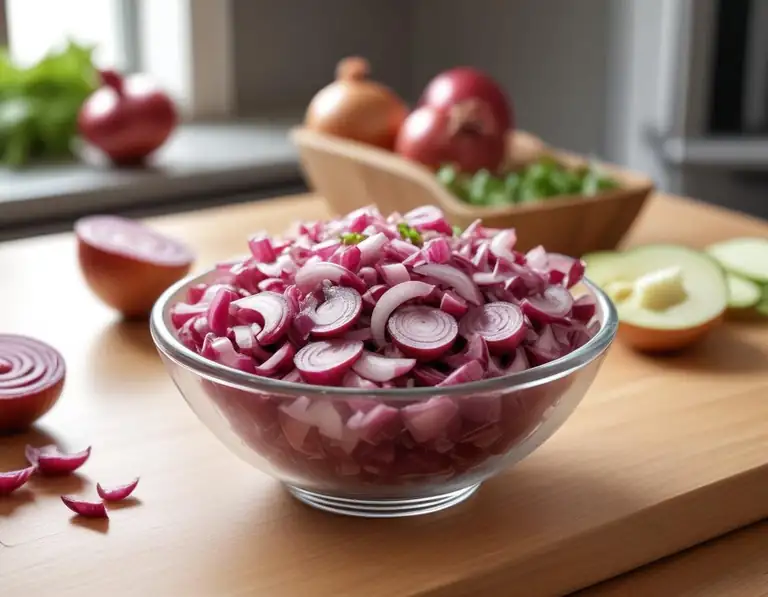







Fragen zu diesem Wort
What does wolfen mean?
zu feinem Pulver oder sehr kleinen Stücken zerkleinern
How do you pronounce wolfen?
wolfen is pronounced as [ˈvɔlfən]. Audio is available on this page when the word has a recording.
Is wolfen part of Cooking Verbs vocabulary?
Yes, wolfen (сделать фарш) can be learned in the Cooking Verbs topic. This semantic link helps build related word lists and topic-based practice.
Is wolfen part of Food vocabulary?
Yes, wolfen (сделать фарш) can be learned in the Food topic. This semantic link helps build related word lists and topic-based practice.
Learn wolfen in your vocabulary
Add this word to practice, repeat it with audio, examples and your own word lists.