sein
его
belonging to a male person
Learn sein with free cards in 30 seconds.
10 minutes a day can add up to 3,000 words a year. Spaced flashcards bring each word back when it is time to remember it.
Dieses Wort lohnt sich frueh.



How many words can you learn in a year?
If you learn 8-10 new words a day and review them regularly with flashcards, you can cover about 3,000 words in a year.
ZapomniEnglish brings words back at the right time: difficult words appear more often, familiar words less often.
Not sure what pace to start with? Check your vocabulary level and we will suggest words for your level.
We count words you add to learning and review regularly. Active use grows gradually and depends on practice.
| Pace | Per day | Per year | Best for |
|---|---|---|---|
| Easy | 3 words | ≈ 1,100 words | starting without pressure |
| Balanced | 5 words | ≈ 1,800 words | steady growth |
| Recommended | 8 words | ≈ 2,900 words | around 3,000 words a year |
| Fast | 10 words | ≈ 3,650 words | visible vocabulary growth |
| Intensive | 15 words | ≈ 5,500 words | strong motivation |
sein with Russian translation
sein usage examples
Usage examples will appear here with translation and context.
Learn by topic
sein belongs to the topic "Top 5000". Start with a short 7-word set so the word is easier to remember in context.
sein synonyms
Related words worth learning together
Притяжательное местоимение: «его/чей», обычно относится к мужчине или к существительному мужского рода в придаточных конструкциях.
Der Mann, dessen Auto dort steht, wartet auf dich.
Форма местоимения «seiner» часто используется как родительный падеж: «его», «из его числа», либо в устойчивых сочетаниях.
Wir gedenken seiner heute Abend.
Обычная форма притяжательного местоимения для мужского лица: «его». Используется перед существительным.
Das ist seine Tasche.
Означает «её» или «их» в зависимости от контекста; не подходит для «his», если речь не о другой информации в предложении.
Ihr Buch liegt auf dem Tisch.
Это дательный падеж от «er»: «ему». Не обозначает принадлежность, а указывает на получателя или косвенное дополнение.
Ich gebe ihm das Buch.
Устойчивое выражение со значением «свой собственный, принадлежащий самому себе»; подчеркивает самостоятельность или личную принадлежность.
Er lebt in seinem eigenen Haus, ganz auf sein eigen.
What’s the difference
How is sein different from related words?
Short comparisons help you choose the right word by meaning, context, and typical examples.

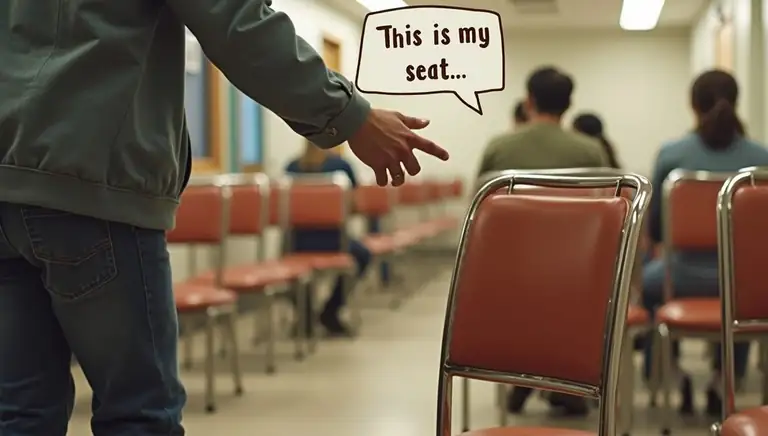
В чем разница в английском между carry, wear, tote и lug
Carry — нести или иметь при себе, wear — носить на теле, tote — таскать с собой, lug — тащить тяжёлое с усилием.
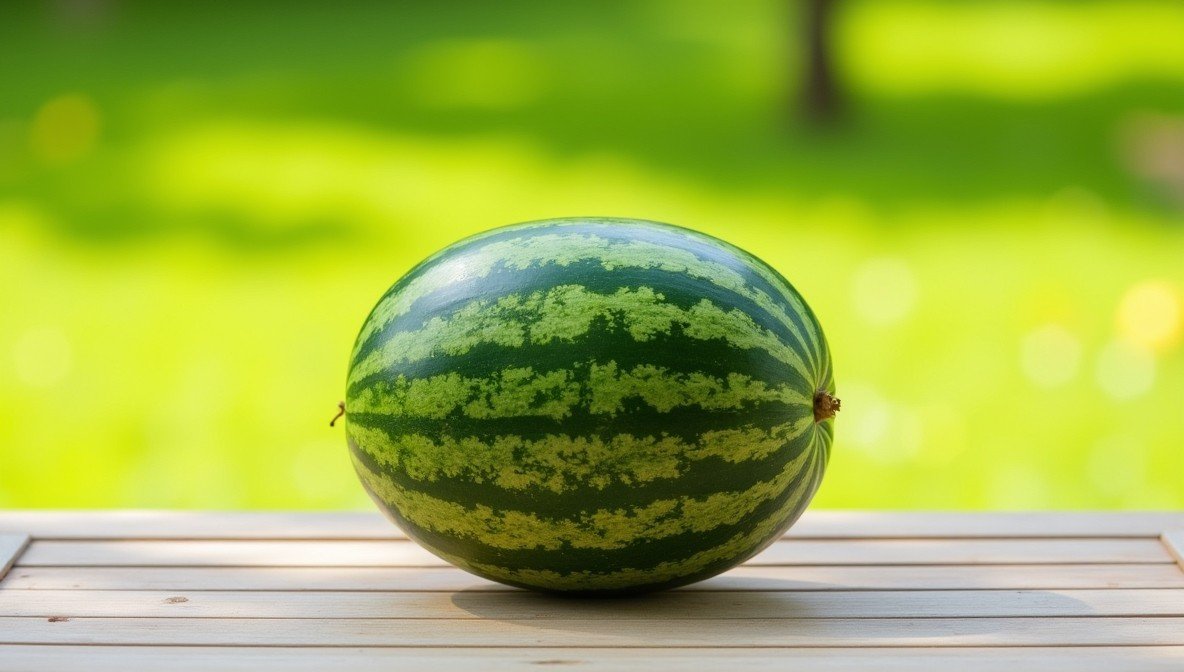
В чем разница в английском между whole, entire, complete и intact
Разница между whole, entire, complete и intact: целое, весь объем, завершенность и сохранность без повреждений.

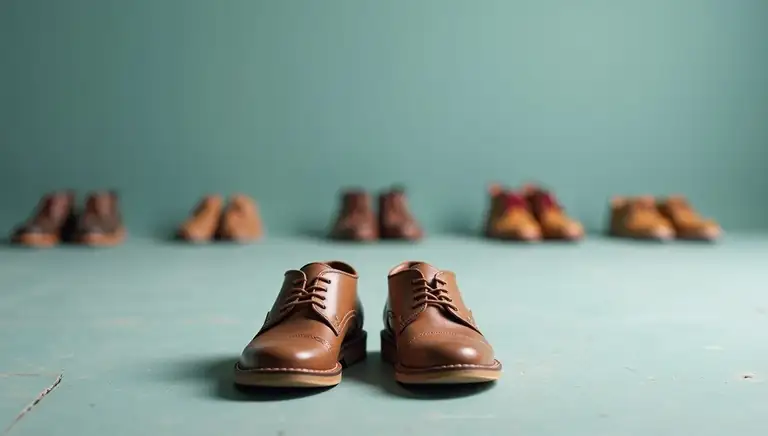
В чем разница в английском между choose, pick, select и opt for
Разница между choose, pick, select и opt for: обычный выбор, разговорный выбор, выбор из списка и осознанное предпочтение.
Related words and lists for sein








Fragen zu diesem Wort
What does sein mean?
zu einem männlichen Wesen gehörend; drückt Besitz oder Zugehörigkeit aus
How do you pronounce sein?
sein is pronounced as [zaɪn]. Audio is available on this page when the word has a recording.
Learn sein in your vocabulary
Add this word to practice, repeat it with audio, examples and your own word lists.