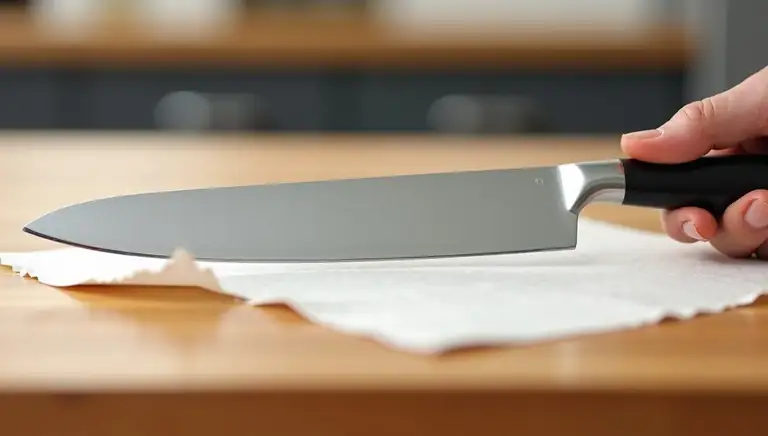
blunt
тупой
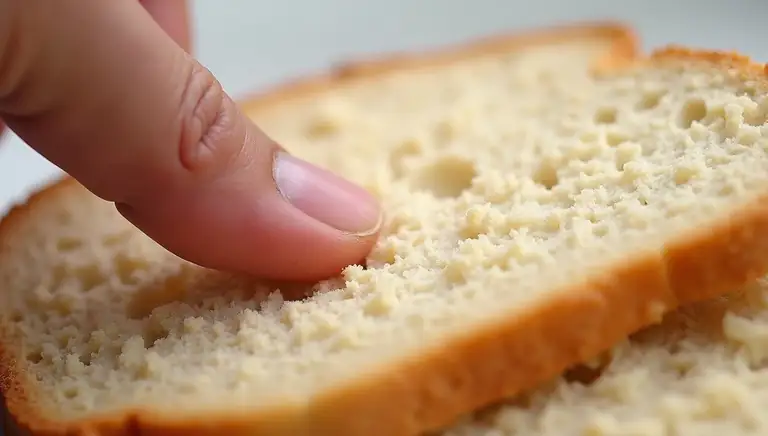
not sharp
Learn blunt with free cards in 30 seconds.
10 minutes a day can add up to 3,000 words a year. Spaced flashcards bring each word back when it is time to remember it.
Learn this one early.


How many words can you learn in a year?
If you learn 8-10 new words a day and review them regularly with flashcards, you can cover about 3,000 words in a year.
ZapomniEnglish brings words back at the right time: difficult words appear more often, familiar words less often.
Not sure what pace to start with? Check your vocabulary level and we will suggest words for your level.
We count words you add to learning and review regularly. Active use grows gradually and depends on practice.
| Pace | Per day | Per year | Best for |
|---|---|---|---|
| Easy | 3 words | ≈ 1,100 words | starting without pressure |
| Balanced | 5 words | ≈ 1,800 words | steady growth |
| Recommended | 8 words | ≈ 2,900 words | around 3,000 words a year |
| Fast | 10 words | ≈ 3,650 words | visible vocabulary growth |
| Intensive | 15 words | ≈ 5,500 words | strong motivation |
blunt with Russian translation
blunt usage examples
Learn by topic
blunt belongs to the topic "Adjectives". Start with a short 7-word set so the word is easier to remember in context.
blunt synonyms
Related words worth learning together
Can mean not sharp (edge), lacking brightness/interest, or slow; overlaps with blunt for tools.
The blade is dull after many uses.
That was a stupid thing to do.
Informal for unintelligent; historically also 'unable to speak' (older usage).
Don't be dumb — think before you speak.
Formal; describes someone slow to understand or insensitive; more clinical/polite than 'stupid'.
He was deliberately obtuse about the consequences.
Indicates something has been used and deteriorated; a worn edge may be blunt, but 'worn' describes condition.
The worn blade became blunt after many cuts.
What’s the difference
How is blunt different from related words?
Short comparisons help you choose the right word by meaning, context, and typical examples.

В чем разница в английском между carry, wear, tote и lug
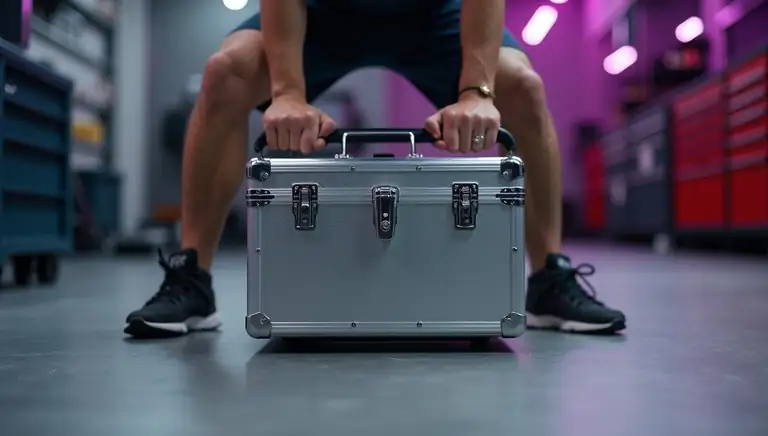
Carry — нести или иметь при себе, wear — носить на теле, tote — таскать с собой, lug — тащить тяжёлое с усилием.
В чем разница в английском между whole, entire, complete и intact
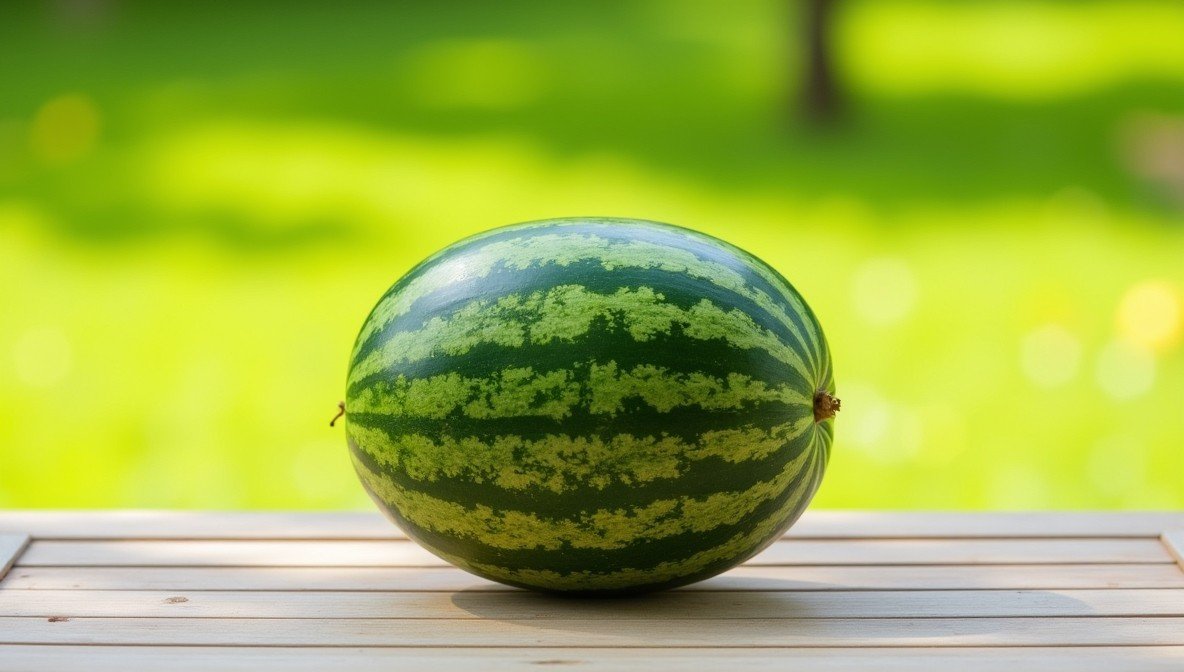
Разница между whole, entire, complete и intact: целое, весь объем, завершенность и сохранность без повреждений.

В чем разница в английском между choose, pick, select и opt for
Разница между choose, pick, select и opt for: обычный выбор, разговорный выбор, выбор из списка и осознанное предпочтение.
Related words and lists for blunt







Questions about this word
blunt meaning: what does it mean?
not sharp
blunt pronunciation: how do you pronounce it?
blunt is pronounced as /ˈblʌnt/. Audio is available on this page when the word has a recording.
blunt definition and sentence examples: how is it used in a sentence?
A blunt pencil does not write. Translation: Тупой карандаш не пишет.
Is blunt part of Adjectives vocabulary?
Yes, blunt (тупой) can be learned in the Adjectives topic. This semantic link helps build related word lists and topic-based practice.
Learn blunt in your vocabulary
Add this word to practice, repeat it with audio, examples and your own word lists.