我的
мой
belonging to the speaker
Learn 我的 with free cards in 30 seconds.
10 minutes a day can add up to 3,000 words a year. Spaced flashcards bring each word back when it is time to remember it.
建议优先学习。



How many words can you learn in a year?
If you learn 8-10 new words a day and review them regularly with flashcards, you can cover about 3,000 words in a year.
ZapomniEnglish brings words back at the right time: difficult words appear more often, familiar words less often.
Not sure what pace to start with? Check your vocabulary level and we will suggest words for your level.
We count words you add to learning and review regularly. Active use grows gradually and depends on practice.
| Pace | Per day | Per year | Best for |
|---|---|---|---|
| Easy | 3 words | ≈ 1,100 words | starting without pressure |
| Balanced | 5 words | ≈ 1,800 words | steady growth |
| Recommended | 8 words | ≈ 2,900 words | around 3,000 words a year |
| Fast | 10 words | ≈ 3,650 words | visible vocabulary growth |
| Intensive | 15 words | ≈ 5,500 words | strong motivation |
我的 with Russian translation
我的 usage examples
Usage examples will appear here with translation and context.
Learn by topic
我的 belongs to the topic "Top 5000". Start with a short 7-word set so the word is easier to remember in context.
我的 synonyms
Related words worth learning together
This is my house.
Указывает на принадлежность подлежащему предложения, а не обязательно говорящему.
He took his own book.
Показывает принадлежность группе, включающей говорящего: «наш», «наша», «наше», «наши».
This is our teacher.
Where is your book?
Показывает принадлежность одному человеку или группе, к которым обращаются в вежливой форме.
Is this your passport?
Показывает принадлежность мужчине или предмету мужского рода в роли владельца: «его».
This is his car.
Показывает принадлежность женщине или предмету женского рода в роли владельца: «её».
This is her bag.
This is their house.
What’s the difference
How is 我的 different from related words?
Short comparisons help you choose the right word by meaning, context, and typical examples.
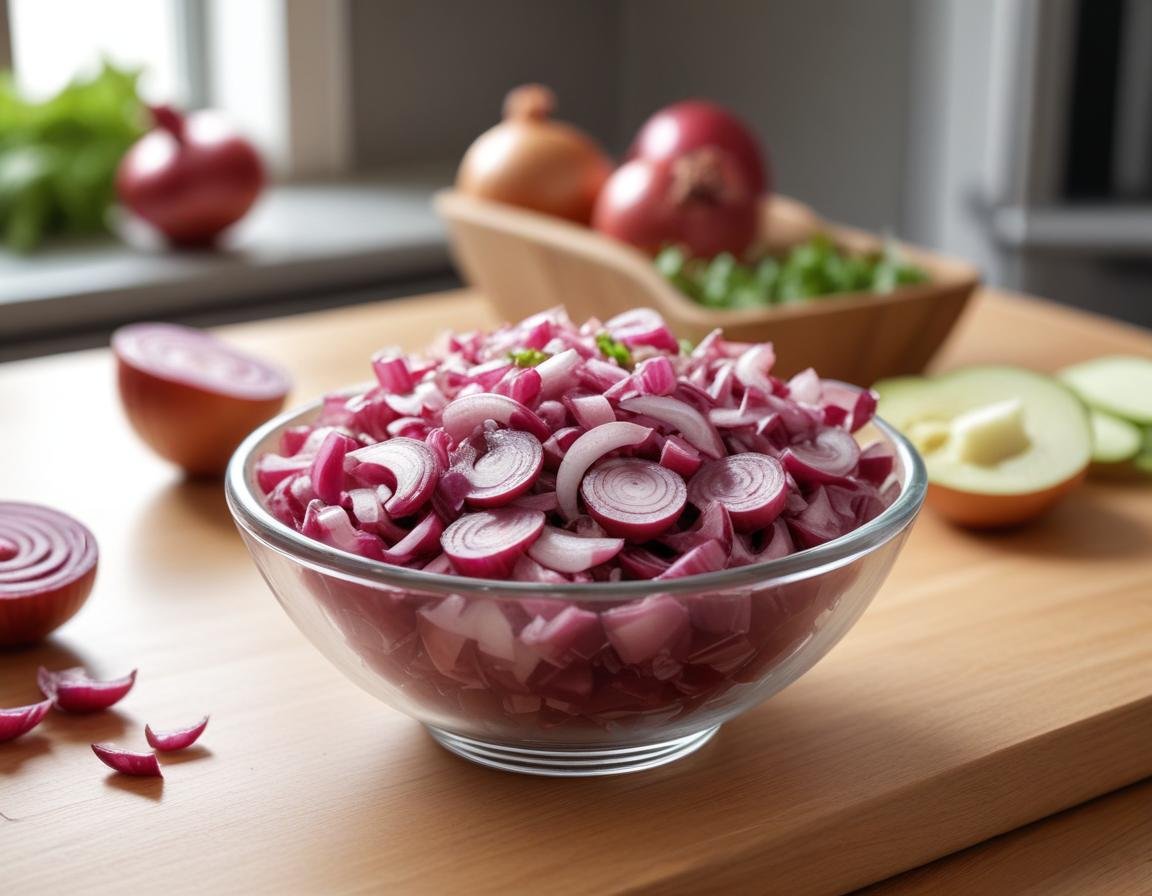
В чем разница в английском между chopped, diced, minced и shredded
Chopped, diced, minced и shredded различаются формой нарезки: неровные куски, кубики, мелкая крошка или тонкие полоски.

В чем разница в английском между carry, wear, tote и lug
Carry — нести или иметь при себе, wear — носить на теле, tote — таскать с собой, lug — тащить тяжёлое с усилием.
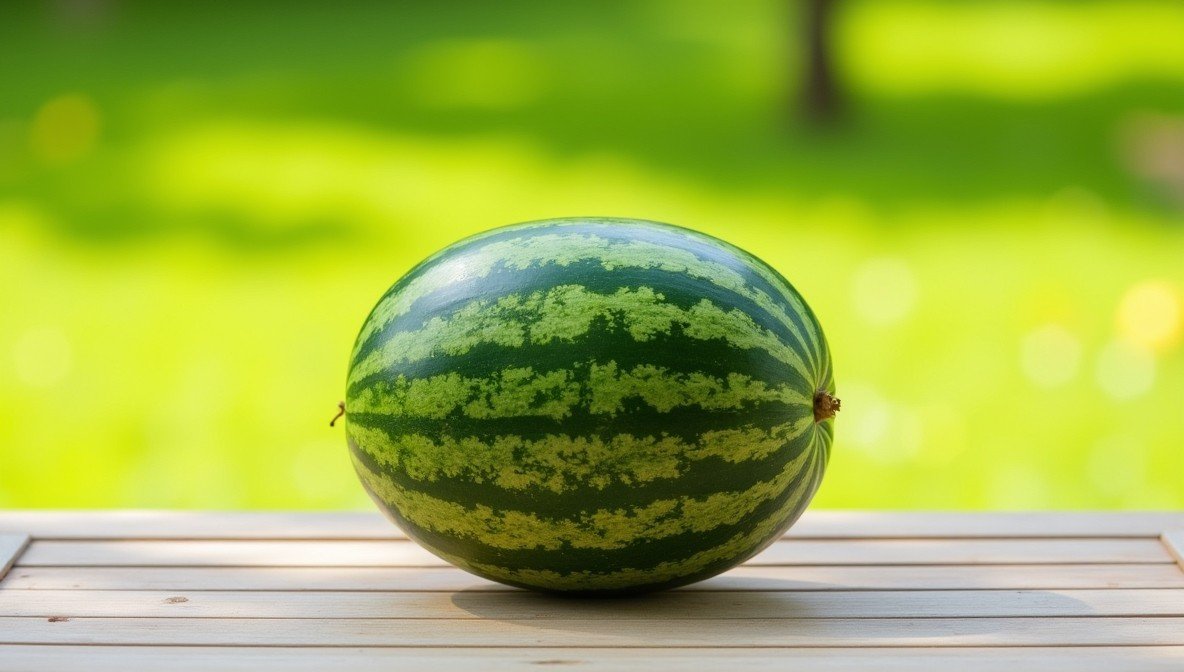
В чем разница в английском между whole, entire, complete и intact
Разница между whole, entire, complete и intact: целое, весь объем, завершенность и сохранность без повреждений.
Related words and lists for 我的





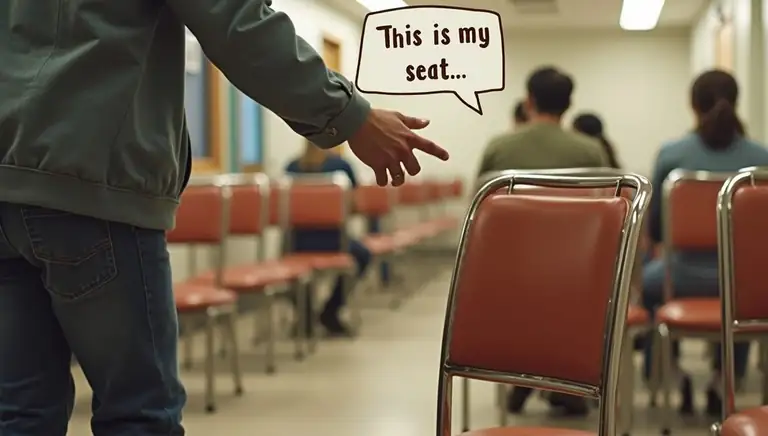



关于这个词的问题
What does 我的 mean?
belonging to the speaker
How do you pronounce 我的?
Use the audio button on this page to hear 我的 when a recording is available.
Learn 我的 in your vocabulary
Add this word to practice, repeat it with audio, examples and your own word lists.