auf
на
auf einer Oberfläche oder Fläche, sie berührend
Learn auf with free cards in 30 seconds.
10 minutes a day can add up to 3,000 words a year. Spaced flashcards bring each word back when it is time to remember it.
Learn this one early.


How many words can you learn in a year?
If you learn 8-10 new words a day and review them regularly with flashcards, you can cover about 3,000 words in a year.
ZapomniEnglish brings words back at the right time: difficult words appear more often, familiar words less often.
Not sure what pace to start with? Check your vocabulary level and we will suggest words for your level.
We count words you add to learning and review regularly. Active use grows gradually and depends on practice.
| Pace | Per day | Per year | Best for |
|---|---|---|---|
| Easy | 3 words | ≈ 1,100 words | starting without pressure |
| Balanced | 5 words | ≈ 1,800 words | steady growth |
| Recommended | 8 words | ≈ 2,900 words | around 3,000 words a year |
| Fast | 10 words | ≈ 3,650 words | visible vocabulary growth |
| Intensive | 15 words | ≈ 5,500 words | strong motivation |
auf with Russian translation
auf usage examples
Usage examples will appear here with translation and context.
Learn by topic
auf belongs to the topic "Top 300". Start with a short 7-word set so the word is easier to remember in context.
auf synonyms
Related words worth learning together
Means “up there / above” and usually refers to a higher position, not necessarily directly on a surface.
Often means “at, on, to,” but not always directly on a surface; it can indicate contact or being at an edge.
Means “above/over,” and sometimes “about.” In spatial use, it usually means not on a surface but above it.
What’s the difference
How is auf different from related words?
Short comparisons help you choose the right word by meaning, context, and typical examples.
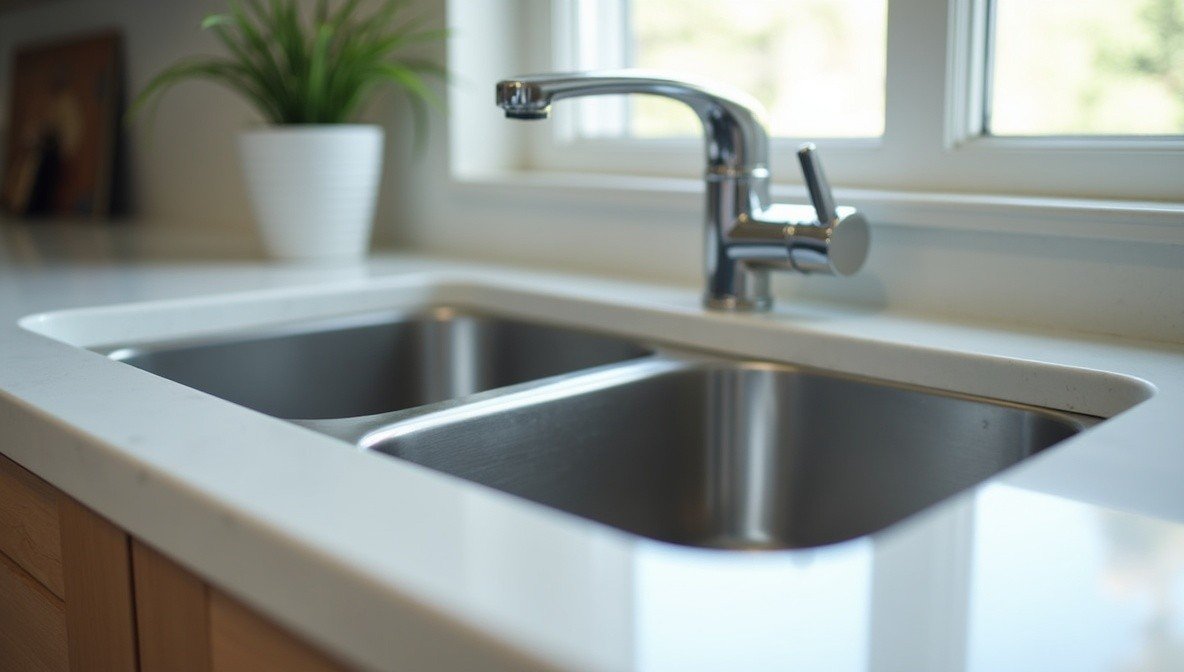
В чем разница в английском между clean, spotless, immaculate и pristine
Разница между clean, spotless, immaculate и pristine: обычная чистота, отсутствие пятен, безупречность и состояние как новое.

В чем разница в английском между answer, reply, respond и tell
Answer, reply, respond и tell: как выбрать глагол для ответа, письма, официального запроса и передачи информации.
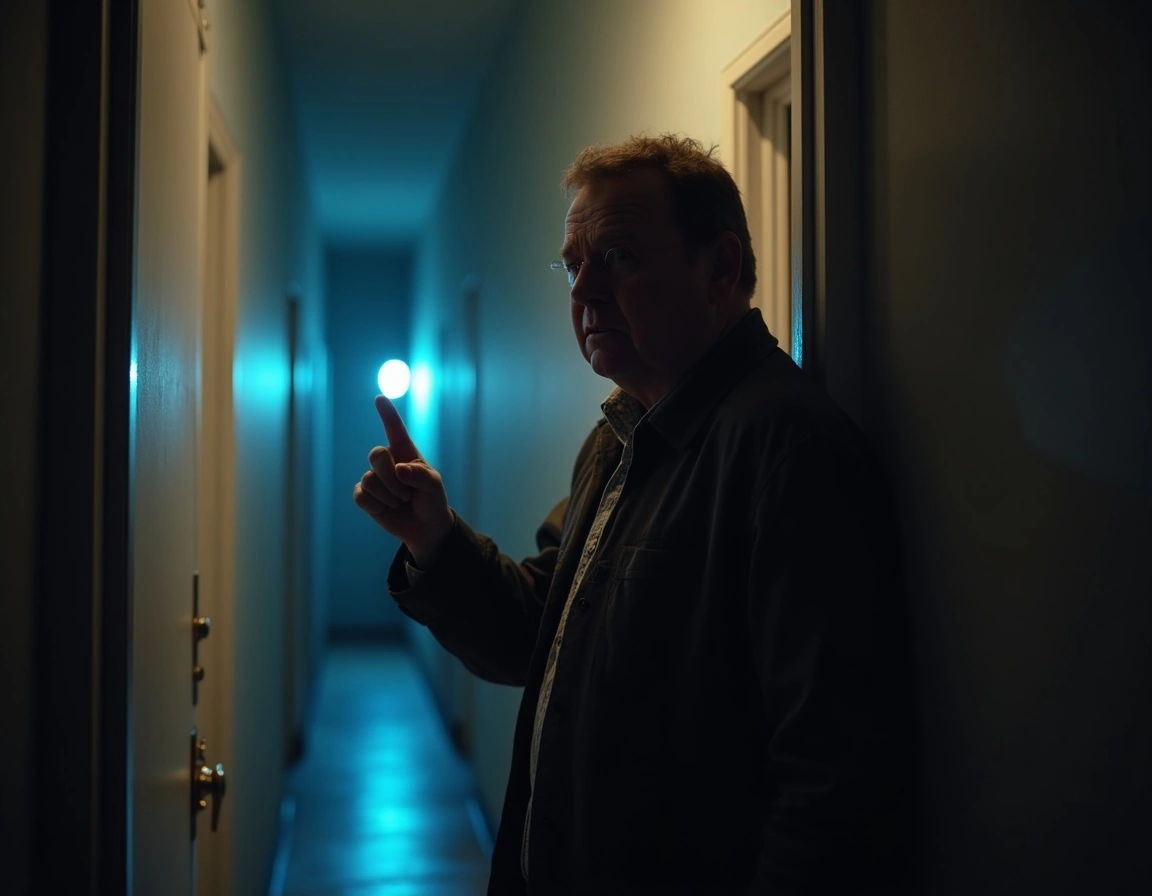
В чем разница в английском между angry, mad, mean и furious
Разница между angry, mad, mean и furious: angry — нейтрально, mad — разговорно, mean — про недоброту, furious — в ярости.
Related words and lists for auf











Fragen zu diesem Wort
auf Bedeutung: what does it mean?
auf einer Oberfläche oder Fläche, sie berührend
auf Aussprache: how do you pronounce it?
auf is pronounced as [aʊf]. Audio is available on this page when the word has a recording.
Learn auf in your vocabulary
Add this word to practice, repeat it with audio, examples and your own word lists.