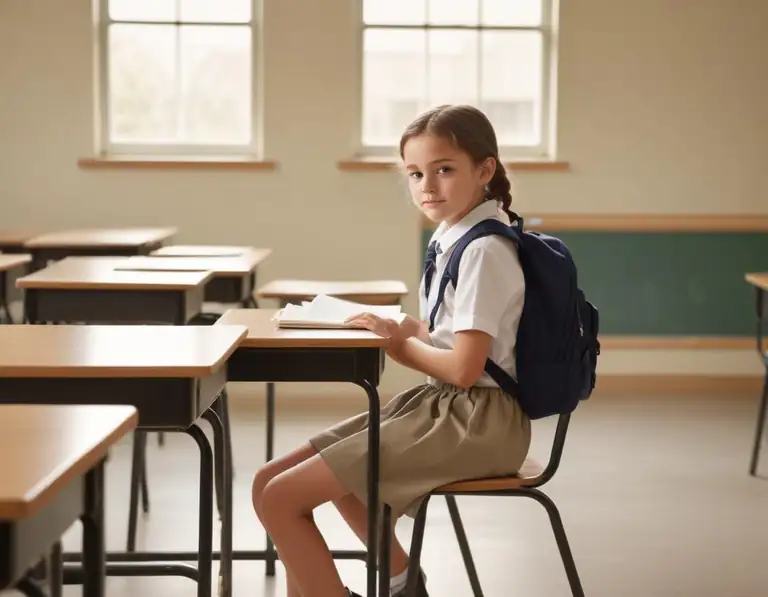
小学生
ученик
school student
Learn 小学生 with free cards in 30 seconds.
10 minutes a day can add up to 3,000 words a year. Spaced flashcards bring each word back when it is time to remember it.
建议优先学习。


How many words can you learn in a year?
If you learn 8-10 new words a day and review them regularly with flashcards, you can cover about 3,000 words in a year.
ZapomniEnglish brings words back at the right time: difficult words appear more often, familiar words less often.
Not sure what pace to start with? Check your vocabulary level and we will suggest words for your level.
We count words you add to learning and review regularly. Active use grows gradually and depends on practice.
| Pace | Per day | Per year | Best for |
|---|---|---|---|
| Easy | 3 words | ≈ 1,100 words | starting without pressure |
| Balanced | 5 words | ≈ 1,800 words | steady growth |
| Recommended | 8 words | ≈ 2,900 words | around 3,000 words a year |
| Fast | 10 words | ≈ 3,650 words | visible vocabulary growth |
| Intensive | 15 words | ≈ 5,500 words | strong motivation |
小学生 with Russian translation
小学生 usage examples
Usage examples will appear here with translation and context.
Learn by topic
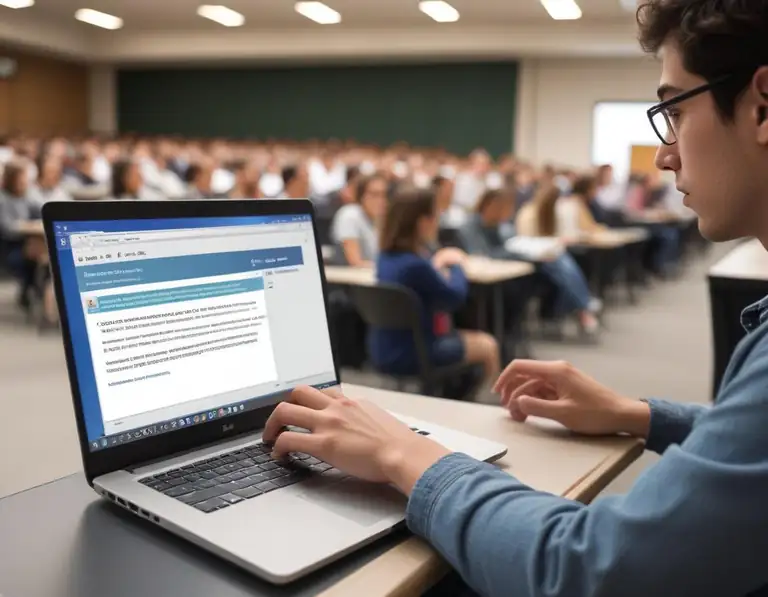
小学生 belongs to the topic "School and University". Start with a short 7-word set so the word is easier to remember in context.
小学生 synonyms
Related words worth learning together
This pupil prepares well for the test.
Человек, который учится в школе (обычно ребёнок или подросток).
The schoolboy came home at three o'clock.
Более официальный термин для человека, который учится (в школе или другом учебном заведении).
The learner signed consent to participate in the contest.
Формальный термин для человека, проходящего обучение или курс.
The trainees received certificates for the courses.
The student is preparing for end-of-term exams.
Человек, находящийся на попечении или воспитании в учреждении (интернат, кружок, спортивная секция).
The wards of the boarding school took part in the concert.
Человек подросткового возраста; не обязательно учащийся, но часто — школьник.
The teenager spent a lot of time with friends after school.

The attendees of the seminar asked the lecturer questions.
What’s the difference
How is 小学生 different from related words?
Short comparisons help you choose the right word by meaning, context, and typical examples.

В чем разница в английском между carry, wear, tote и lug
Carry — нести или иметь при себе, wear — носить на теле, tote — таскать с собой, lug — тащить тяжёлое с усилием.
В чем разница в английском между whole, entire, complete и intact
Разница между whole, entire, complete и intact: целое, весь объем, завершенность и сохранность без повреждений.

В чем разница в английском между choose, pick, select и opt for
Разница между choose, pick, select и opt for: обычный выбор, разговорный выбор, выбор из списка и осознанное предпочтение.
Related words and lists for 小学生








关于这个词的问题
What does 小学生 mean?
school student
How do you pronounce 小学生?
Use the audio button on this page to hear 小学生 when a recording is available.
Is 小学生 part of Head & Face vocabulary?
Yes, 小学生 (ученик) can be learned in the Head & Face topic. This semantic link helps build related word lists and topic-based practice.
Is 小学生 part of School and University vocabulary?
Yes, 小学生 (ученик) can be learned in the School and University topic. This semantic link helps build related word lists and topic-based practice.
Learn 小学生 in your vocabulary
Add this word to practice, repeat it with audio, examples and your own word lists.