Mund
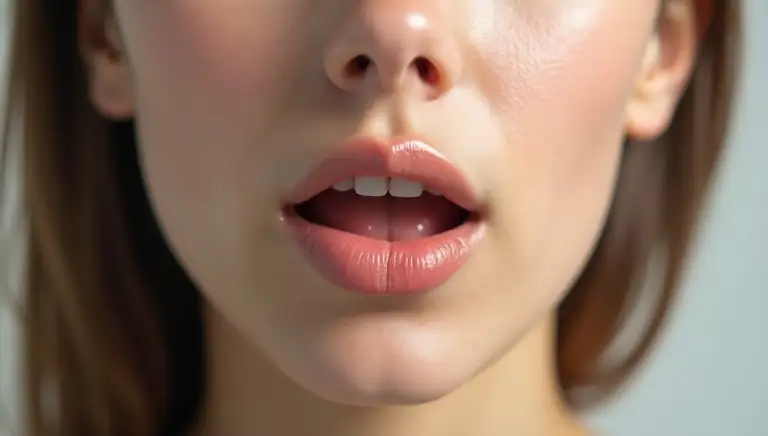
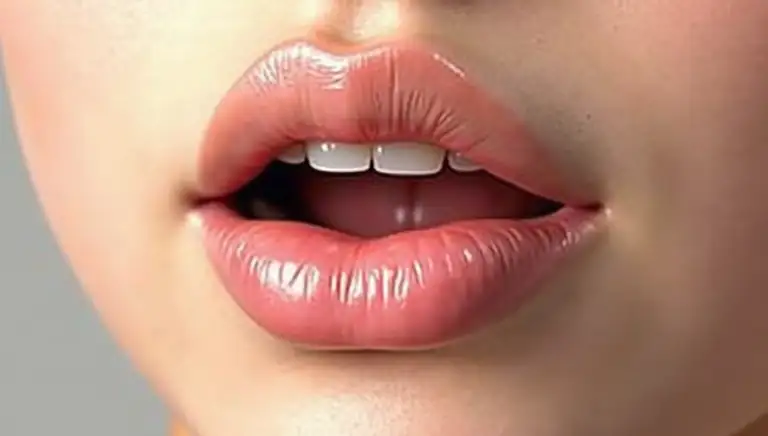
mouth
opening in the face used for eating and speaking
Learn Mund with free cards in 30 seconds.
10 minutes a day can add up to 3,000 words a year. Spaced flashcards bring each word back when it is time to remember it.
Mund fits your vocabulary level. Check your level if you are not sure.


How many words can you learn in a year?
If you learn 8-10 new words a day and review them regularly with flashcards, you can cover about 3,000 words in a year.
ZapomniEnglish brings words back at the right time: difficult words appear more often, familiar words less often.
Not sure what pace to start with? Check your vocabulary level and we will suggest words for your level.
We count words you add to learning and review regularly. Active use grows gradually and depends on practice.
| Pace | Per day | Per year | Best for |
|---|---|---|---|
| Easy | 3 words | ≈ 1,100 words | starting without pressure |
| Balanced | 5 words | ≈ 1,800 words | steady growth |
| Recommended | 8 words | ≈ 2,900 words | around 3,000 words a year |
| Fast | 10 words | ≈ 3,650 words | visible vocabulary growth |
| Intensive | 15 words | ≈ 5,500 words | strong motivation |
Mund with English translation
Mund usage examples
Usage examples will appear here with translation and context.
Learn by topic
Mund belongs to the topic "Head and Face". Start with a short 7-word set so the word is easier to remember in context.
Mund synonyms
What's the difference between Mund / Mundöffnung / Mundpartie / Maul / Schnauze / Rachen
mouth — opening in the face used for eating and speaking
Neutral, descriptive wording meaning the mouth opening. It sounds more anatomical or explanatory than everyday speech.
Der Arzt untersuchte die Mundöffnung des Patienten.
Врач осмотрел ротовое отверстие пациента.
Refers to the area around the mouth, including lips and the nearby facial region. It is not just the mouth itself, but the surrounding part.
Auf dem Foto sieht man nur die Mundpartie.
На фото видна только область рта.
Usually used for the mouth of animals. When used about a person, it sounds rude, contemptuous, or insulting.
Der Hund öffnete sein Maul und bellte laut.
Собака открыла пасть и громко залаяла.
Most often means the snout or muzzle of an animal, especially dogs and pigs. When used about a person, it sounds rude and can also mean a sharp 'shut up.'
Die Schnauze des Hundes war ganz nass.
У собаки была совсем мокрая морда.
Means the throat or pharynx, the inner part behind the mouth. It is not a direct synonym of the everyday word 'Mund' but a more precise anatomical term.
Der HNO-Arzt untersuchte den Rachen.
ЛОР-врач осмотрел глотку.
What's the difference
More related word breakdowns
Short comparisons help you choose the right word by meaning, context, and typical examples.

В чем разница в английском между carry, wear, tote и lug
Carry — нести или иметь при себе, wear — носить на теле, tote — таскать с собой, lug — тащить тяжёлое с усилием.

В чем разница в английском между whole, entire, complete и intact
Разница между whole, entire, complete и intact: целое, весь объем, завершенность и сохранность без повреждений.

В чем разница в английском между choose, pick, select и opt for
Разница между choose, pick, select и opt for: обычный выбор, разговорный выбор, выбор из списка и осознанное предпочтение.
Related words and lists for Mund








How to pronounce Mund and what this word means
Mund translation: mouth. This page includes translation, pronunciation, transcription, audio, usage examples and related words.
how to pronounce Mund
/mʊnt/
Mund translation
mouth
Mund transcription
/mʊnt/
How this dictionary entry is reviewed
ZapomniEnglish prepares dictionary data automatically, then the editorial workflow checks high-frequency words, top lists, and pages that already receive search impressions first.
Questions about this word
Mund meaning: what does it mean?
Öffnung im Gesicht zum Essen und Sprechen
Mund pronunciation: how do you pronounce it?
Mund is pronounced as /mʊnt/. Audio is available on this page when the word has a recording.
Is Mund part of Head and Face vocabulary?
Yes, Mund (mouth) can be learned in the Head and Face topic. This semantic link helps build related word lists and topic-based practice.
Is Mund part of Body vocabulary?
Yes, Mund (mouth) can be learned in the Body topic. This semantic link helps build related word lists and topic-based practice.
Learn Mund in your vocabulary
Add this word to practice, repeat it with audio, examples and your own word lists.