dead
мёртвый
no longer living
Learn dead with free cards in 30 seconds.
10 minutes a day can add up to 3,000 words a year. Spaced flashcards bring each word back when it is time to remember it.
Learn this one early.

How many words can you learn in a year?
If you learn 8-10 new words a day and review them regularly with flashcards, you can cover about 3,000 words in a year.
ZapomniEnglish brings words back at the right time: difficult words appear more often, familiar words less often.
Not sure what pace to start with? Check your vocabulary level and we will suggest words for your level.
We count words you add to learning and review regularly. Active use grows gradually and depends on practice.
| Pace | Per day | Per year | Best for |
|---|---|---|---|
| Easy | 3 words | ≈ 1,100 words | starting without pressure |
| Balanced | 5 words | ≈ 1,800 words | steady growth |
| Recommended | 8 words | ≈ 2,900 words | around 3,000 words a year |
| Fast | 10 words | ≈ 3,650 words | visible vocabulary growth |
| Intensive | 15 words | ≈ 5,500 words | strong motivation |
dead with Russian translation
dead usage examples
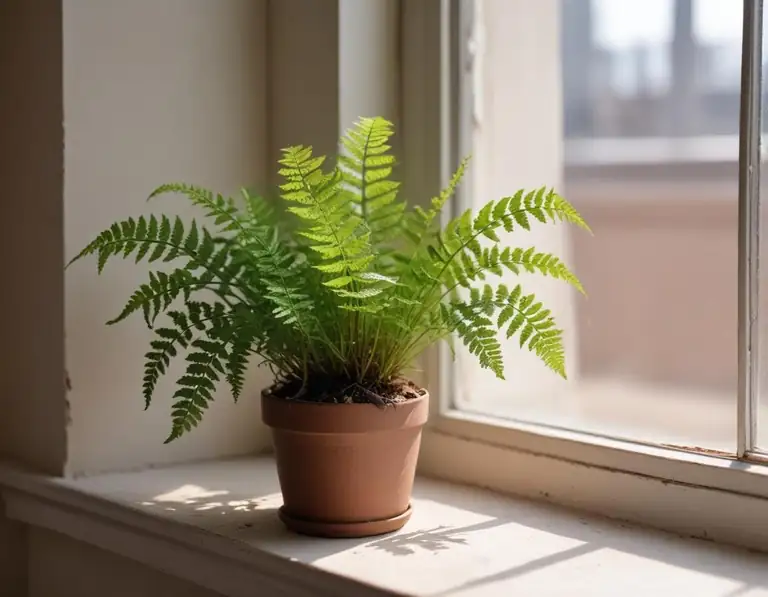
Her potted fern is dead; no new shoots have grown.
Её папоротник в горшке мёртвый; новых побегов не появилось.
The maple sapling looks dead after the long drought.
Молодой клен мёртвый после долгой засухи.
Learn by topic
dead belongs to the topic "Garden and plants". Start with a short 7-word set so the word is easier to remember in context.
dead synonyms
Related words worth learning together
The plant is dead.
Формальное слово для обозначения умершего человека; редко употребляется касательно растений.
The deceased owner loved the garden.
Обычно про растения: высохшие, сморщенные; может быть обратимо и не всегда означает окончательную смерть.
The leaves are withered from lack of water.
Про растения: увядание и поникание листьев/цветов из-за стресса или нехватки воды; не всегда означает, что растение мёртвое.
The flowers have wilted in the sun.
Подчеркивает отсутствие влаги: высохшее растение или место; может привести к смерти, но не всегда значит уже мёртвое.
The pond has dried up and the plants died.

The plant is dying because it has no water.
Отсутствие признаков жизни или энергии; часто используется переносно (безжизненный).
The garden looks lifeless in winter.
Означает разложение или разрушение ткани после смерти; акцент на процессе гниения/распада.
The decayed roots could not support the tree.
Гниющий, разложившийся, часто с неприятным запахом; про фрукты, растения, дерево и т. п.
The rotten fruit attracted flies.
What’s the difference
How is dead different from related words?
Short comparisons help you choose the right word by meaning, context, and typical examples.

В чем разница в английском между carry, wear, tote и lug
Carry — нести или иметь при себе, wear — носить на теле, tote — таскать с собой, lug — тащить тяжёлое с усилием.
В чем разница в английском между whole, entire, complete и intact
Разница между whole, entire, complete и intact: целое, весь объем, завершенность и сохранность без повреждений.

В чем разница в английском между choose, pick, select и opt for
Разница между choose, pick, select и opt for: обычный выбор, разговорный выбор, выбор из списка и осознанное предпочтение.
Related words and lists for dead












Questions about this word
What does dead mean?
no longer living
How do you pronounce dead?
dead is pronounced as /dɛd/. Audio is available on this page when the word has a recording.
How is dead used in a sentence?
Her potted fern is dead; no new shoots have grown. Translation: Её папоротник в горшке мёртвый; новых побегов не появилось.
Is dead part of Garden and plants vocabulary?
Yes, dead (мёртвый) can be learned in the Garden and plants topic. This semantic link helps build related word lists and topic-based practice.
Is dead part of Home and Household vocabulary?
Yes, dead (мёртвый) can be learned in the Home and Household topic. This semantic link helps build related word lists and topic-based practice.
Learn dead in your vocabulary
Add this word to practice, repeat it with audio, examples and your own word lists.