Bleich - translation, pronunciation and examples
pallid
very pale, usually because of illness or fear
Learn bleich with free cards in 30 seconds.

When to use bleich
После долгой ночи она выглядела совсем бледной.
Бледному ребёнку сразу нужен был отдых.
bleich usage examples
После долгой ночи она выглядела совсем бледной.
Nach der langen Nacht sah sie ganz bleich aus.
Бледному ребёнку сразу нужен был отдых.
Das bleiche Kind brauchte sofort Ruhe.
Similar words
pallid — very pale, usually because of illness or fear
Pale with a dull, grayish cast; often more descriptive and slightly more literary, suggesting illness or lack of vitality.
The most common neutral word for pale; it can describe pallor from illness, fear, fatigue, or excitement.
Somewhat pale or pallid-looking; it suggests a milder degree of paleness than bleich or blass.
Colorless or lacking vividness; for people it can imply pallor, but it is more often used for things that look or feel uninspiring.
Test yourself
Learn by topic
bleich belongs to the topic "Top 5000". Start with a short 7-word set so the word is easier to remember in context.
bleich synonyms
What's the difference between bleich / fahl / blass / bleichlich / farblos / matt
pallid — very pale, usually because of illness or fear
Nach der langen Nacht sah sie ganz bleich aus.
После долгой ночи она выглядела совсем бледной.
Pale with a dull, grayish cast; often more descriptive and slightly more literary, suggesting illness or lack of vitality.
Nach der Krankheit wirkte sein Gesicht fahl.
После болезни его лицо выглядело бледным и тусклым.
The most common neutral word for pale; it can describe pallor from illness, fear, fatigue, or excitement.
Sie wurde plötzlich blass, als sie die Nachricht hörte.
Она внезапно побледнела, когда услышала новость.
Somewhat pale or pallid-looking; it suggests a milder degree of paleness than bleich or blass.
Sein Gesicht wirkte bleichlich im kalten Licht.
Его лицо казалось бледноватым при холодном свете.
Colorless or lacking vividness; for people it can imply pallor, but it is more often used for things that look or feel uninspiring.
Ihr Teint wirkte farblos und müde.
Её цвет лица выглядел бесцветным и уставшим.
Dull or lacking brightness; for appearance it can suggest tiredness or a lack of freshness rather than true pallor.
Nach der langen Reise sah sie matt aus.
После долгой поездки она выглядела уставшей и тусклой.
Ill or sick-looking; it emphasizes the cause of pallor rather than the pale color itself.
Er sah krank und erschöpft aus.
Он выглядел больным и измождённым.
Sickly or delicate-looking; often describes someone who seems chronically weak or unwell.
Das Kind hatte einen kränklichen Eindruck.
Ребёнок производил болезненное впечатление.
Literally 'bloodless'; figuratively, very pale with almost no color in the face. It sounds more vivid and stronger than simple blass.
Nach dem Schreck wirkte er völlig blutleer.
После испуга он выглядел совершенно безжизненно-бледным.
Deadly pale; a very strong expression describing extreme pallor caused by fear, shock, or illness.
Als sie die Tür öffnete, wurde sie leichenblass.
Когда она открыла дверь, она стала мертвенно-бледной.
What's the difference
More related word breakdowns
Short comparisons help you choose the right word by meaning, context, and typical examples.

В чем разница в английском между carry, wear, tote и lug
Carry — нести или иметь при себе, wear — носить на теле, tote — таскать с собой, lug — тащить тяжёлое с усилием.
В чем разница в английском между whole, entire, complete и intact
Разница между whole, entire, complete и intact: целое, весь объем, завершенность и сохранность без повреждений.

В чем разница в английском между choose, pick, select и opt for
Разница между choose, pick, select и opt for: обычный выбор, разговорный выбор, выбор из списка и осознанное предпочтение.
bleich with Russian translation
Why learn bleich with flashcards?
A translation is not enough: words are remembered faster when they return in short examples, audio and spaced review.
10 minutes a day can add up to 3,000 words a year. Spaced flashcards bring each word back when it is time to remember it.
We count words you add to learning and review regularly. Active use grows gradually and depends on practice.
| Pace | Per day | Per year | Best for |
|---|---|---|---|
| Easy | 3 words | ≈ 1,100 words | starting without pressure |
| Balanced | 5 words | ≈ 1,800 words | steady growth |
| Recommended | 8 words | ≈ 2,900 words | around 3,000 words a year |
| Fast | 10 words | ≈ 3,650 words | visible vocabulary growth |
| Intensive | 15 words | ≈ 5,500 words | strong motivation |
Related words and lists for bleich








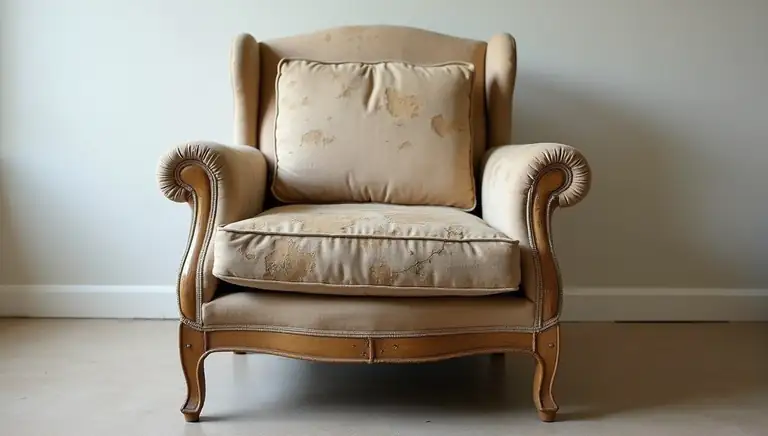
How to pronounce bleich and what this word means
bleich translation: pallid. This page includes translation, pronunciation, transcription, audio, usage examples and related words.
how to pronounce bleich
/blaɪ̯ç/
bleich translation
pallid
bleich examples
Nach der langen Nacht sah sie ganz bleich aus.
bleich transcription
/blaɪ̯ç/
How this dictionary entry is reviewed
ZapomniEnglish prepares dictionary data automatically, then the editorial workflow checks high-frequency words, top lists, and pages that already receive search impressions first.
Questions about this word
bleich meaning: what does it mean?
sehr blass, meist wegen Krankheit oder Angst
bleich pronunciation: how do you pronounce it?
bleich is pronounced as /blaɪ̯ç/. Audio is available on this page when the word has a recording.
bleich definition and sentence examples: how is it used in a sentence?
Nach der langen Nacht sah sie ganz bleich aus. Translation: После долгой ночи она выглядела совсем бледной.
Learn bleich in your vocabulary
Add this word to practice, repeat it with audio, examples and your own word lists.