Whole - translation, pronunciation and examples
whole
not cut
Learn whole with free cards in 30 seconds.

When to use whole
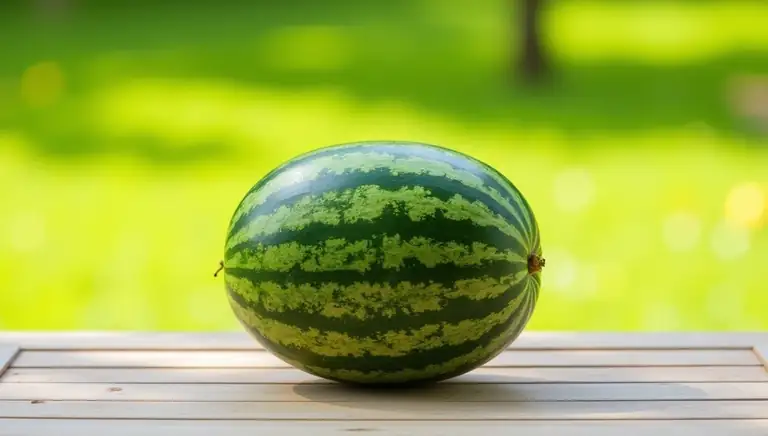
I bought a whole watermelon for the picnic.
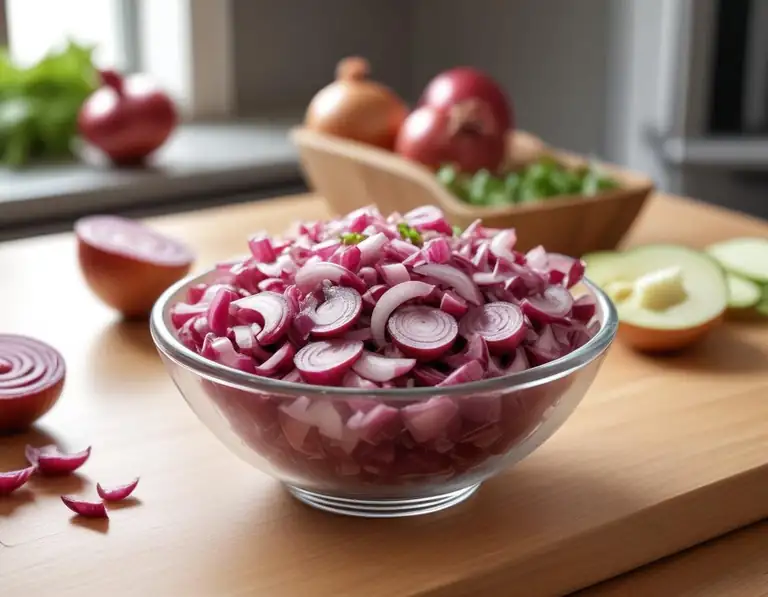
The recipe calls for a whole onion, not chopped.
whole usage examples
Similar words
целый — not cut
complete in every part; often interchangeable with 'whole' when talking about one undivided thing or an extent
having all parts or finished; overlaps with 'whole' for sets or single objects but often used for tasks and finished processes
undamaged or unbroken; emphasizes preservation of original condition rather than simply being undivided
not touched or altered; emphasizes lack of human action or change rather than just being undivided
Test yourself
Learn by topic
whole belongs to the topic "Cooking Descriptions". Start with a short 7-word set so the word is easier to remember in context.
whole synonyms
What's the difference between whole / entire / complete / intact / untouched / full
целый — not cut
I bought a whole watermelon for the picnic.
Я купил целый арбуз для пикника.
complete in every part; often interchangeable with 'whole' when talking about one undivided thing or an extent
She read the entire book in one day. — She read the whole book in one day. (entire = whole)
Она прочитала всю книгу за один день. (entire = whole)
having all parts or finished; overlaps with 'whole' for sets or single objects but often used for tasks and finished processes
He bought a complete set of tools. (complete = contains all parts) — He bought the whole set of tools. (whole = the entire set)
Он купил полный набор инструментов. (complete = все части есть) — Он купил весь набор инструментов. (whole = весь набор)
undamaged or unbroken; emphasizes preservation of original condition rather than simply being undivided
After the fall, the statue remained intact. (intact = not broken) — The statue remained whole. (whole = not in pieces)
После падения статуя осталась нетронутой/целой. (intact = не повреждена) — Статуя осталась целой. (whole = не в кусках)
not touched or altered; emphasizes lack of human action or change rather than just being undivided
The cake remained untouched on the table. (untouched = not eaten or moved) — The whole cake was on the table. (whole = not cut)
Торт остался нетронутым на столе. (untouched = никто не ел) — На столе лежал целый торт. (whole = не разрезанный)
filled to capacity or complete in content; often means 'no space left' rather than 'undivided'
The glass is full. (full = no empty space) — She drank the whole glass. (whole = the entire contents/one container)
Стакан полон. (full = нет пустого места) — Она выпила целый стакан. (whole = весь объём из одного стакана)
complete in amount or degree (sum or overall); focuses on aggregate or extent rather than being uncut or undivided
The total cost was $50. (total = sum) — The whole cost? You could say 'the whole cost' but 'total' sounds more natural for sums.
Общая стоимость составила 50$. (total = сумма) — «Вся стоимость» звучит правдоподобно, но для сумм чаще говорят «общая стоимость».
refers to every member or the entire amount; emphasizes inclusiveness rather than undamaged or undivided condition
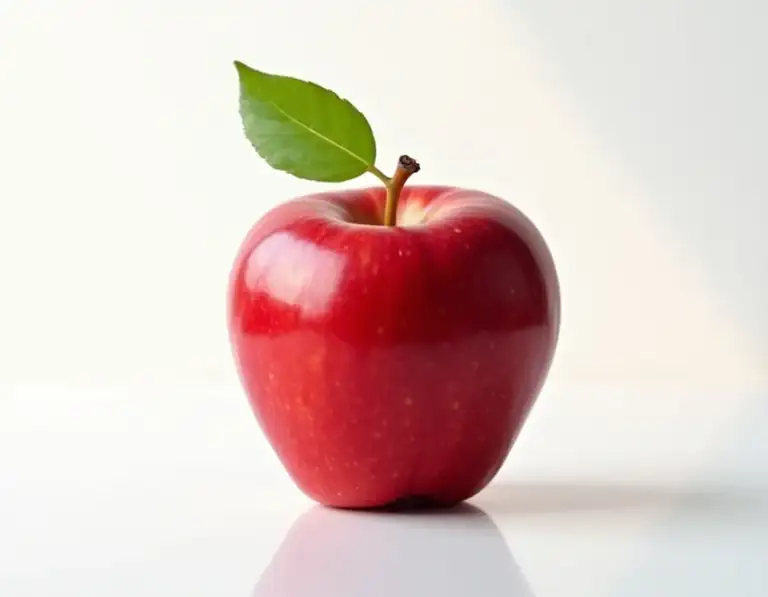
She ate all the cookies. (all = every cookie) — She ate the whole cookie. (whole = one cookie, not cut)
Она съела все печенья. (all = все по отдельности) — Она съела целое печенье. (whole = одно печенье, не разрезанное)
What's the difference
More related word breakdowns
Short comparisons help you choose the right word by meaning, context, and typical examples.

В чем разница в английском между carry, wear, tote и lug
Carry — нести или иметь при себе, wear — носить на теле, tote — таскать с собой, lug — тащить тяжёлое с усилием.
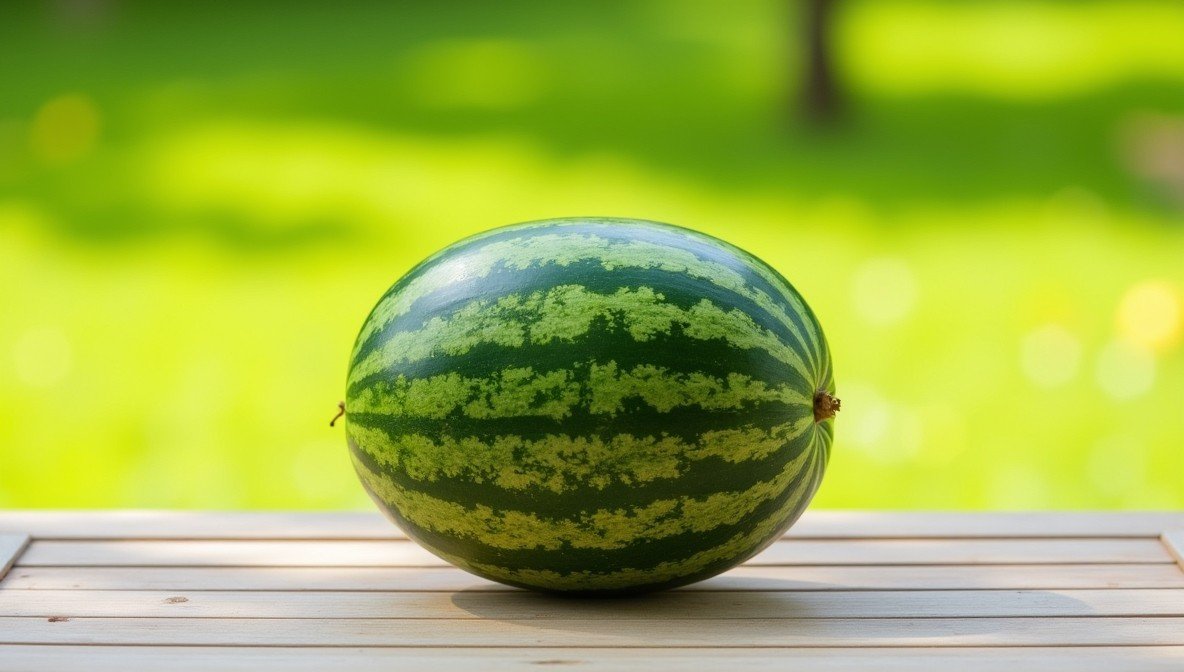
В чем разница в английском между whole, entire, complete и intact
Разница между whole, entire, complete и intact: целое, весь объем, завершенность и сохранность без повреждений.

В чем разница в английском между choose, pick, select и opt for
Разница между choose, pick, select и opt for: обычный выбор, разговорный выбор, выбор из списка и осознанное предпочтение.
whole with Indonesian translation
Why learn whole with flashcards?
A translation is not enough: words are remembered faster when they return in short examples, audio and spaced review.
10 minutes a day can add up to 3,000 words a year. Spaced flashcards bring each word back when it is time to remember it.
We count words you add to learning and review regularly. Active use grows gradually and depends on practice.
| Pace | Per day | Per year | Best for |
|---|---|---|---|
| Easy | 3 words | ≈ 1,100 words | starting without pressure |
| Balanced | 5 words | ≈ 1,800 words | steady growth |
| Recommended | 8 words | ≈ 2,900 words | around 3,000 words a year |
| Fast | 10 words | ≈ 3,650 words | visible vocabulary growth |
| Intensive | 15 words | ≈ 5,500 words | strong motivation |
Related words and lists for whole






How to pronounce whole and what this word means
whole translation: целый. This page includes translation, pronunciation, transcription, audio, usage examples and related words.
how to pronounce whole
/ˈhəʊl/
whole translation
целый
whole examples
I bought a whole watermelon for the picnic.
whole transcription
/ˈhəʊl/, /ˈhoʊl/
How this dictionary entry is reviewed
ZapomniEnglish prepares dictionary data automatically, then the editorial workflow checks high-frequency words, top lists, and pages that already receive search impressions first.
Questions about this word
whole meaning: what does it mean?
not cut
whole pronunciation: how do you pronounce it?
whole is pronounced as /ˈhəʊl/. Audio is available on this page when the word has a recording.
whole definition and sentence examples: how is it used in a sentence?
I bought a whole watermelon for the picnic. Translation: Я купил целый арбуз для пикника.
Is whole part of Cooking Descriptions vocabulary?
Yes, whole (целый) can be learned in the Cooking Descriptions topic. This semantic link helps build related word lists and topic-based practice.
Is whole part of Food vocabulary?
Yes, whole (целый) can be learned in the Food topic. This semantic link helps build related word lists and topic-based practice.
Learn whole in your vocabulary
Add this word to practice, repeat it with audio, examples and your own word lists.